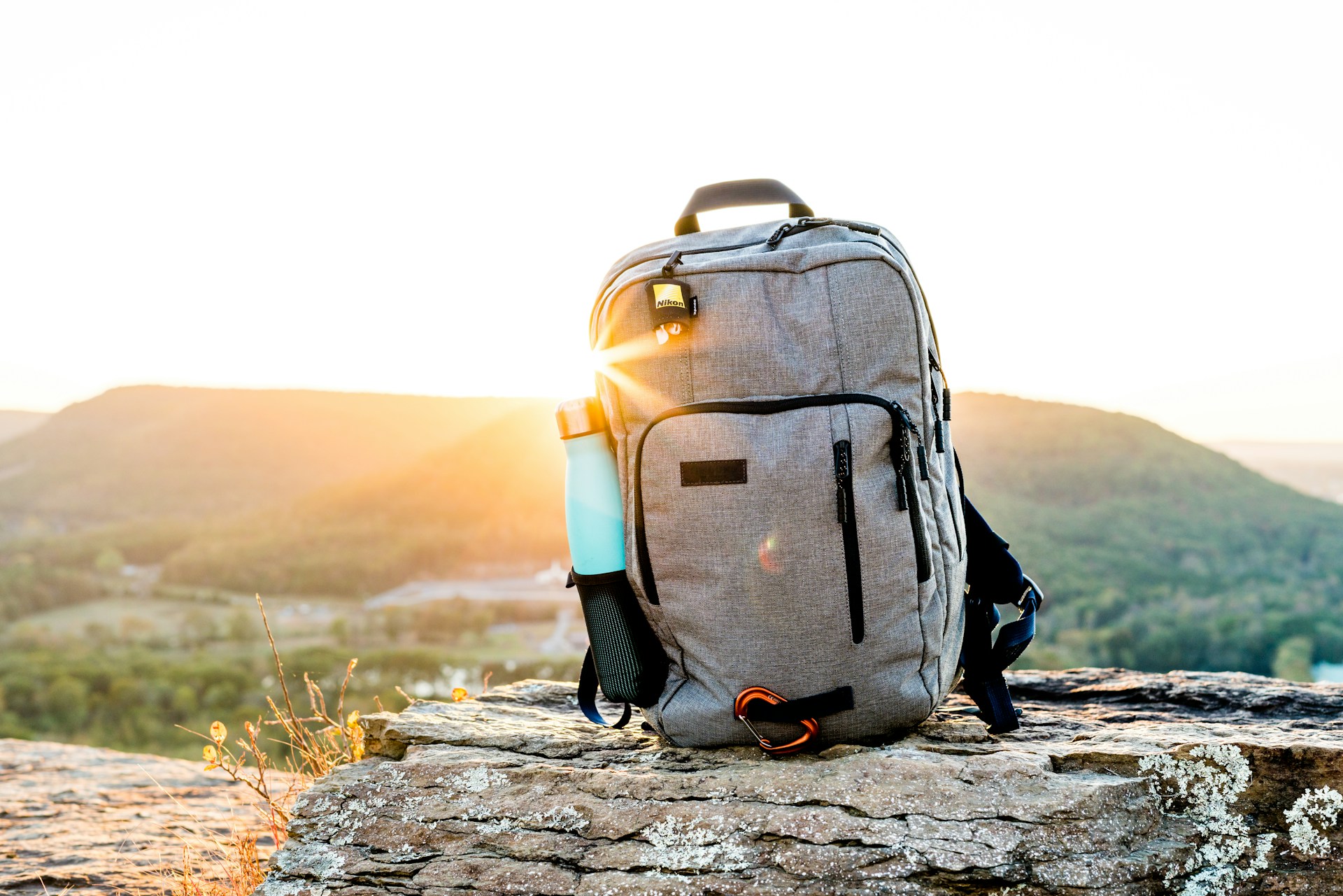
Travel bag or backpack – which option fits your journey?

Choosing the right travel bag can make a noticeable difference when you are heading on a weekend break, travelling through a new city or preparing for a longer journey. The best bag should give you enough space for your essentials while remaining comfortable and easy to carry throughout the day.
A backpack is often the first choice for travellers who need more room, but it is not the only useful option. A smaller bumbag can complement your main luggage by keeping your phone, passport and wallet within easy reach. By considering your destination, the length of the trip and the activities you have planned, you can find a combination that suits the way you travel.
What should a good travel bag offer?
A practical travel bag needs to balance storage, comfort and accessibility. A very spacious bag may seem useful, but it can become uncomfortable if it encourages you to carry more than you need. A smaller bag is easier to manage, although it may not have enough room for longer days away from your accommodation.
Before choosing a bag, consider:
- How long you will be travelling
- What you need to carry during the day
- Whether you will walk long distances
- If you need space for a laptop
- How often you need access to your belongings
- Whether you are travelling with additional luggage
These questions help determine whether you need a full-sized backpack, a compact day bag or a smaller bag for your most important possessions.
Why choose a backpack for travelling?
A backpack is a versatile choice because it distributes the weight across both shoulders. This can make it more comfortable than carrying a heavy bag on one side, particularly when you are walking through airports, using public transport or exploring a destination on foot.
Backpacks are available in many different sizes. A compact version can work well for sightseeing, while a larger model may hold everything needed for a short trip. The correct size depends on whether the backpack will be your main travel bag or an additional item alongside a suitcase.
Useful backpack features can include:
- Adjustable shoulder straps
- Several internal compartments
- A secure laptop section
- Easy-access exterior pockets
- A padded back panel
- Strong zips and closures
Kintobe’s backpack collection includes bags designed for everyday use, work and school, making the category relevant for travellers who also want to use their bag after returning home.
You can explore different backpack options here:
Choosing the right backpack size
The ideal backpack should have enough room for your essentials without feeling bulky. For a day of sightseeing, you may only need space for a water bottle, an extra layer, a charger, sunglasses and a few personal items.
A larger backpack may be more suitable if you plan to carry a laptop, camera equipment or clothing. However, it is still important to think realistically about what you will use. Carrying unnecessary items can make a day of walking much less enjoyable.
Check the measurements of the bag rather than relying only on photographs. Images can make a backpack appear larger or smaller than it actually is. It is also useful to consider how the bag will fit under an aeroplane seat or inside an overhead compartment if you intend to travel with it.
Airlines have different luggage rules, so always check the current size and weight restrictions directly with the airline before departure.
Organising your belongings efficiently
The way a travel bag is organised can be just as important as its overall capacity. A single large compartment provides flexibility, but smaller pockets can help prevent your belongings from becoming mixed together.
Frequently used items should be kept somewhere accessible. This might include your phone, headphones, travel documents and charging cable. Items that are only needed occasionally can be placed deeper inside the bag.
Packing pouches can also be helpful. They separate clothing, electronics and toiletries, making it easier to find what you need without emptying the entire backpack. A small waterproof pouch is useful for liquids or items that need extra protection.
Avoid keeping all valuables in an external pocket. While easy access is convenient, important belongings should be stored in a secure section that cannot be opened without you noticing.
Comfort matters throughout the journey
A travel bag may feel comfortable when it is empty but very different once it is packed. Adjustable straps allow you to position a backpack correctly and keep it close to your body. Loose straps can make the bag move while you walk, which may become uncomfortable over time.
When packing, place heavier items close to your back. This helps keep the weight more balanced. Lighter and softer items can be positioned towards the front of the bag.
It is also worth considering the clothing you will wear while travelling. Wide shoulder straps may be more comfortable over a thin top, while a padded back panel can be useful during warmer weather or longer walks.
A comfortable bag allows you to focus on the journey rather than constantly adjusting your luggage.
Why bring a smaller bag as well?
A backpack is useful for carrying more items, but you may not want to take it everywhere. During an evening meal, a short walk or a visit to a crowded attraction, a smaller bag can be more convenient.
A bumbag can hold essentials such as:
- A phone
- A wallet
- Keys
- Travel documents
- Earphones
- Hand sanitiser
- A small portable charger
Keeping these items close to the body also makes them easier to reach. Some people wear a bumbag around the waist, while others prefer to carry it across the chest. The best option depends on personal comfort and the amount being carried.
Using a bumbag during your trip
A bumbag can be especially useful on travel days, when you repeatedly need access to your passport, boarding pass or phone. Instead of searching through a larger travel bag, you can keep these items together in one smaller compartment.
It can also be practical during festivals, markets, bike rides and days spent walking around a city. Kintobe describes its bumbag collection as suitable for everyday use, travel and festivals, which reflects how these compact bags can be used across different situations.
You can view the bumbag collection here:
When travelling in crowded places, keep the closure facing towards your body and avoid leaving the bag unattended. A smaller bag is convenient, but it should still be handled with the same care as any other luggage.
Choose a design you will use after travelling
A good travel bag should not be limited to holidays. Choosing a design that also suits work, study, shopping or everyday activities makes the purchase more useful in the long term.
Neutral colours are easy to combine with different outfits, while a brighter bag can add personality and make your luggage easier to recognise. Consider how the material will respond to regular use, changing weather and being placed on different surfaces.
The bag should also match your normal routine. If you regularly carry a laptop, a padded compartment may be essential. If you mainly need space for daily essentials, a lighter and more compact design may be a better fit.
Backpack, bumbag or both?
The choice between a travel bag and a backpack does not always have to be either-or. Many travellers benefit from using a backpack for larger items and a bumbag for valuables and frequently used belongings.
For a short city break, a backpack may provide enough room for both the journey and daily activities. For a longer holiday, it can be used as hand luggage while a bumbag keeps important items accessible. The combination gives you greater flexibility without requiring several large bags.
The best solution is the one that fits your plans, packing habits and preferred level of comfort. By choosing a backpack with suitable storage and combining it with a compact bag when needed, you can keep your belongings organised and move more freely throughout your trip.